
Couples, Family & Grief Therapy in Beverly, MA
For Beverly couples stuck in the same fight, families navigating a partner's anxiety or addiction, people grieving a death, or relationships that have quietly drifted over years.
I'm Maxwell Crystal, LICSW. I grew up on the North Shore, and I now offer structured, direct telehealth therapy to couples, families, and individuals across Massachusetts — including Beverly, Salem, Marblehead, Swampscott, and Newburyport.
Sessions are 50 minutes via Zoom. You join from home. The work is focused on what's actually driving the pattern, not just processing it.
Telehealth couples, family, and grief therapy for Beverly, MA, with Maxwell Crystal, LICSW, licensed in Massachusetts and Vermont, former Clinical Director of Sana at Stowe, a residential addiction treatment program, and former Bereavement Program Coordinator for BAYADA Hospice. Individual sessions are $175 and couples or family sessions are $200, both 50 minutes, private pay. The first step is a free 15-minute phone call.
Start with a free 15-minute call
A short phone conversation — you tell me what's happening, I'll tell you honestly whether I'm the right fit. No forms, no commitment.
Couples and Family Therapy in Beverly, MA
I grew up on the North Shore, and Beverly is a place I know well — the rhythm of life here, the pressure of long commutes south, the specific texture of raising a family or building a career in a town that feels small until you actually try to move through a normal week in it.
A few things that come up often with Beverly clients:
Couples where one partner is commuting to Boston or Cambridge and the other is rooted locally, and the asymmetry has quietly grown into resentment
Families navigating a teenager's mental health, school refusal, or substance use, and the toll it's taking on the marriage underneath
Healthcare and education professionals dealing with burnout that's bleeding into the relationship
Couples whose kids have launched, who don't know how to be a two-person household again
Families with a member in recovery or active addiction, where the rest of the system is exhausted from holding it together
Families grieving a death, including a loss to addiction or overdose, where everyone is grieving differently
If any of that sounds familiar, you're in the right place.
Grief Counseling in Beverly, MA
People in the same family rarely grieve the same way. One partner needs to talk about it and the other can't. Siblings remember the same parent differently. A spouse who seemed fine at the funeral is struggling six months later, when everyone else has moved on.
I see individuals, couples, and families in Beverly for grief counseling by telehealth. Each person can join from home, even if you live in different towns. Common reasons people reach out:
A parent who is dying, or has just died
The death of a spouse or partner
A loss to overdose or addiction
Grief that is putting strain on a marriage or a family
This work draws on my time as Bereavement Program Coordinator for BAYADA Hospice and as Clinical Director of Sana at Stowe, a residential addiction treatment program.
More about grief therapy → · Grief and loss on the North Shore →
Why telehealth works
Telehealth isn't a compromise for most of the couples and families I work with — it's a genuine preference.
Scheduling is easier when you don't have to coordinate a commute on Route 128 around two people's calendars. You each join from wherever you are — different rooms in the same house, or different locations entirely. For families with kids in the house, a session after bedtime is suddenly possible.
The work itself doesn't change. Sessions are 50 minutes, structured, and focused. What drives outcomes in couples and family therapy is the quality of the work, not whether it happens in an office or on Zoom.
Maxwell Crystal, LICSW
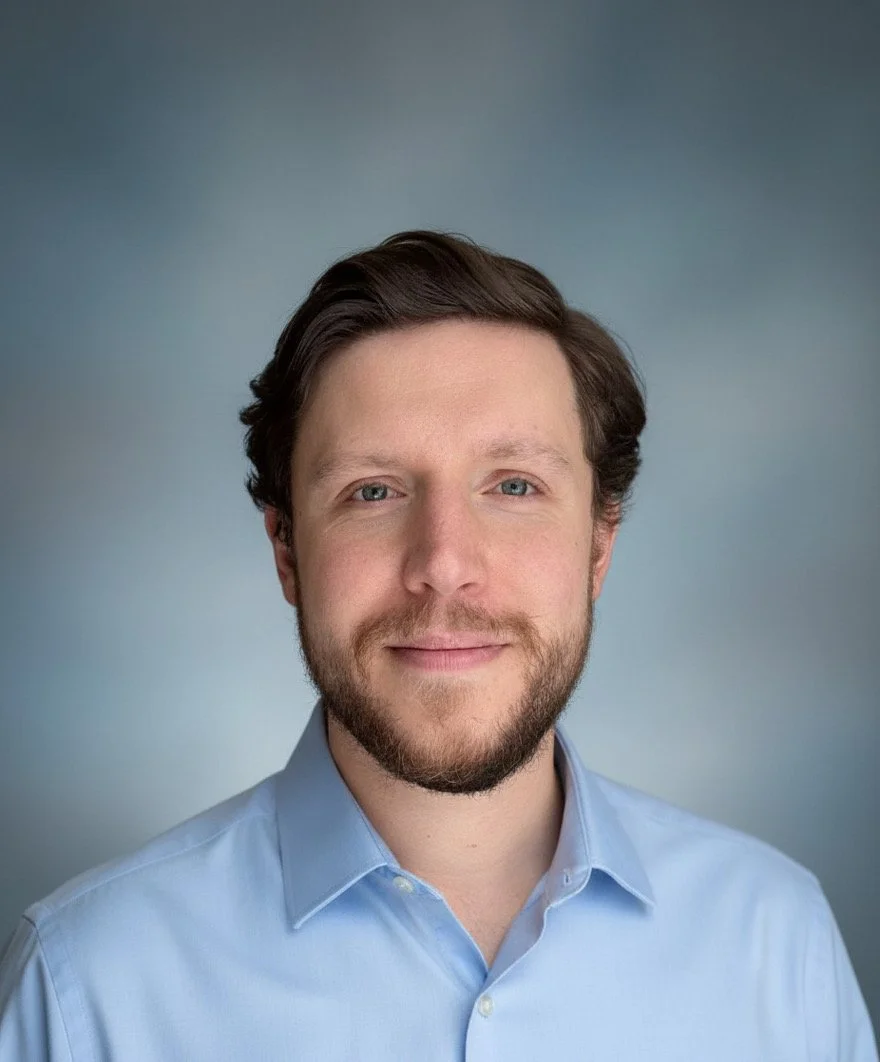
I'm Maxwell Crystal, a Licensed Independent Clinical Social Worker in Massachusetts and Vermont. I work with adults, partners, and families navigating instability, high stress, or relational strain, including families affected by addiction and people carrying grief and loss.
Before private practice, I was Clinical Director of Sana at Stowe, a residential addiction treatment program, and Bereavement Program Coordinator for BAYADA Hospice, where I oversaw grief and bereavement support for families before and after a death. Across these roles I supervised clinicians and helped shape clinical programming, and that experience informs a steady, structured approach to therapy.
Practice Details
Telehealth only — sessions via Zoom
Licensed in Massachusetts (LICSW)
$175 per 50-minute individual session
$200 per 50-minute couples or family session
Serving Beverly, Salem, Marblehead, Swampscott, Newburyport, Gloucester, and all of Massachusetts
Out-of-network superbills available for insurance reimbursement.
Limited availability
Frequently Asked Questions
-
Yes, and in some cases it works better. Couples can each join from where they're most comfortable, the work isn't disrupted by a commute, and many couples report being more honest in their own space than in an office. The structure of the session is the same as in-person work.
-
That's a common starting point. Individual work focused on relational patterns can move the dynamic even if only one partner is willing to engage at first. We can also talk about how to invite your partner in without it becoming a confrontation.
-
Most couples I work with do meaningful work in 12 to 20 sessions over four to six months, though it varies. We'll have a clearer picture together after the first three or four sessions.
-
No — I'm private pay only. Most clients submit superbills to their insurance for out-of-network reimbursement, which typically covers 40 to 70 percent of the session fee depending on the plan. I provide superbills monthly. Before starting, it's worth calling your insurance and asking what your out-of-network mental health benefits are.
-
It's a phone call. You tell me briefly what's going on, I tell you whether I think I can help, and we decide together whether to book a first session. There's no pressure either way — if I don't think I'm the right fit, I'll say so and try to point you toward someone who is.
-
Yes. Each partner can join the session from wherever they are. This works well for couples where one partner travels for work, lives part-time in another state, or has scheduling constraints that make joint in-person therapy impossible.
-
Yes. I see individuals, couples, and families for grief by telehealth anywhere in Beverly and across Massachusetts, including grief after a loss to addiction or overdose. Each person can join from home.
Ready to talk?
If you're in Beverly or anywhere on the North Shore and you've read this far, something on this page probably landed.
The next step is a free 15-minute phone call. You tell me briefly what's going on. I tell you whether I think I can help. We decide together whether to book a first session.
There's no pressure either way.